Beautiful Gardens, Broken Drains and the Underground Battle Nobody Sees
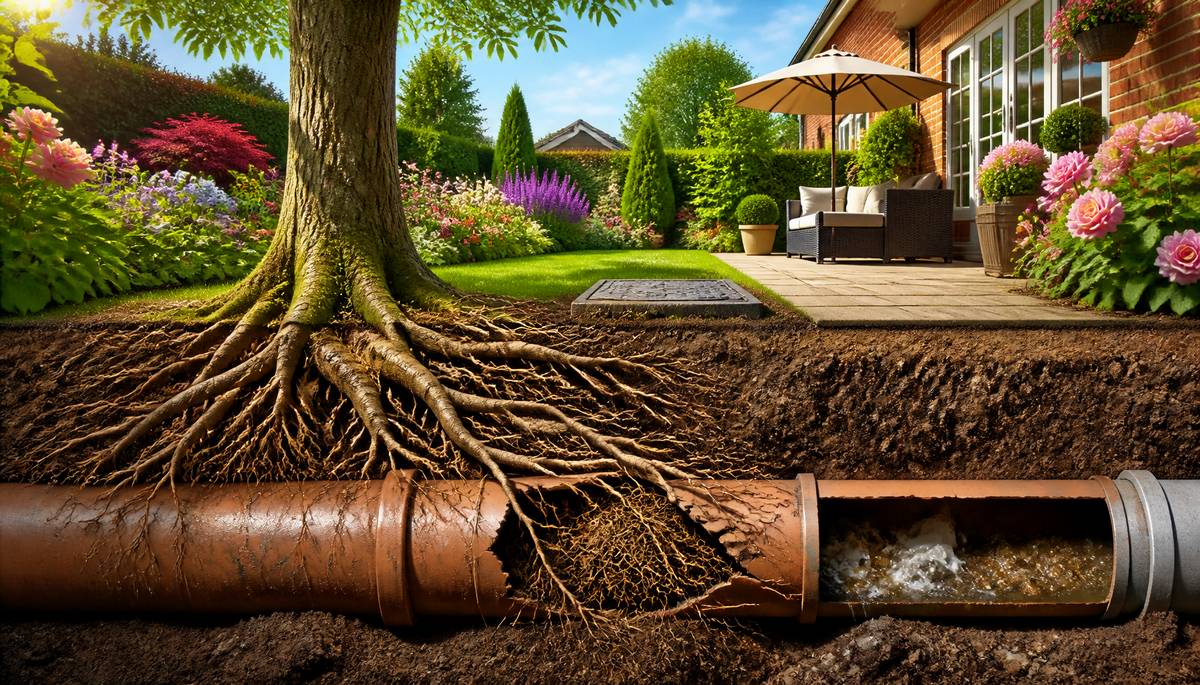 Your prize-winning rose garden might be concealing a plumbing disaster with considerably less aesthetic appeal. Beneath the carefully arranged flowerbeds, immaculate lawns and expensive ornamental trees, an underground struggle may be taking place between ambitious plant roots and ageing drainage pipes. Unfortunately, the roots have no respect for property boundaries, landscaping budgets or the plumber's weekend plans.
Gardens are constantly changing environments, and their underground infrastructure must coexist with plants that become larger and more demanding every year. A modest shrub planted beside a drainage run might eventually develop an extensive root system, while a young tree positioned near the house could become a substantial presence within a decade. Understanding how vegetation interacts with buried pipework can prevent expensive repairs and some distinctly unpleasant surprises.When Roots Discover an Underground Water Supply
Tree roots do not generally attack perfectly sound drainage pipes with the determination of miniature demolition contractors. Instead, they exploit weaknesses that already exist. Cracked pipe sections, deteriorating joints and displaced connections can allow moisture and nutrients to escape into the surrounding soil, creating attractive growing conditions.
Fine roots naturally investigate these damp areas. Once they encounter an opening, they may penetrate the pipe and continue growing inside, where the supply of moisture and nutrients is particularly appealing. Over time, these delicate intrusions can develop into dense root masses that trap toilet paper, grease and other household waste.
The resulting obstruction can restrict wastewater flow, cause repeated blockages and eventually contribute to serious drainage failures. Older clay drainage systems with numerous joints are particularly vulnerable, although modern installations are not immune when damaged or poorly connected.
Importantly, finding roots inside a drain does not automatically mean the neighbouring tree needs removing. The underlying problem is frequently the defective pipework, and eliminating the tree without repairing the drain may achieve little beyond making the garden considerably less attractive.Planting Decisions That Come Back to Haunt You
Certain landscaping decisions increase the likelihood of conflict between vegetation and underground services. Planting vigorous trees directly above drainage routes is an obvious example, but even substantial hedges and established shrubs can create difficulties where pipework is shallow or already compromised.
Willows and poplars are frequently associated with extensive root systems, particularly where moisture is readily available. However, the suitability of any tree depends on its mature size, species characteristics, soil conditions and proximity to existing infrastructure. A small ornamental tree may present fewer problems than a large, thirsty specimen, but there are no universally safe planting distances.
Before introducing substantial vegetation, homeowners should identify the approximate routes of underground drains and other buried services. Existing drainage plans, inspection chambers and professional surveys can help establish where pipes are located.
A beautifully positioned tree might provide welcome summer shade, but planting it directly over an ageing sewer connection is rather like installing a decorative fountain above the electrical consumer unit. The visual effect may be impressive; the long-term planning is considerably less convincing.
When Beautiful Landscaping Hides Essential Drainage Access
Garden renovations can create drainage problems without a single root entering a pipe. Expensive patios, raised flowerbeds, timber decking and decorative garden structures sometimes conceal inspection chambers that plumbers need to access when investigating blockages or damaged underground connections.
An inspection chamber provides access to buried drainage runs, allowing professionals to examine pipe conditions, remove obstructions and carry out maintenance. Covering one permanently with concrete, paving or a substantial garden building can turn a relatively straightforward repair into an expensive excavation project.
Homeowners planning landscaping improvements should identify every existing inspection chamber before construction begins. Suitable recessed covers can often be incorporated into paved surfaces, preserving accessibility without compromising the garden's appearance. Removable decking sections and carefully positioned planting beds provide similar advantages.
Nobody particularly wants a drainage cover occupying the centre of an elegant patio. However, discovering that the only access point lies beneath a newly installed outdoor kitchen is unlikely to improve anybody's appreciation of contemporary garden design.Recognising the Warning Signs of Root Intrusion
Recurring drainage problems sometimes indicate more than ordinary accumulations of household waste. A drain that repeatedly blocks despite professional cleaning may contain invading roots, displaced joints or other structural defects that encourage debris to collect.
Warning signs include slow-draining fixtures, unpleasant smells around inspection chambers, wastewater backing up during heavy use and persistent wet patches in otherwise dry garden areas. Unusually vigorous vegetation near a leaking drain may also warrant investigation, although healthy plant growth alone is hardly evidence of underground plumbing failure.
Professional CCTV drain surveys are particularly useful because they allow engineers to inspect underground pipework without immediately excavating the garden. Camera inspections can identify root penetration, cracks, collapsed sections and defective joints, helping distinguish structural problems from routine blockages.
Where roots have entered a drain, specialist cutting equipment may remove the obstruction. However, restoring water flow is only part of the solution. Unless the damaged pipe or joint is repaired, roots may return, demonstrating a persistence that most gardeners would enthusiastically welcome in their more expensive plants.Getting to the Root of a Healthier Garden
Preventing underground drainage damage requires cooperation between landscaping ambitions and practical plumbing considerations. Trees should be selected with their mature dimensions in mind, underground services should remain accessible, and suspicious drainage symptoms should be investigated before significant damage develops.
Where existing pipes are vulnerable, professional advice may identify opportunities for targeted repairs, replacement sections or suitable protective measures. Modern pipe rehabilitation techniques can sometimes restore damaged drains without extensive excavation, although their suitability depends on the condition and alignment of the existing system.
A successful garden should provide beauty, relaxation and useful outdoor space without creating unnecessary maintenance problems beneath the surface. Thoughtful planting, sensible construction and occasional drainage inspections can help preserve both the landscaping and the infrastructure supporting the property.
After all, the most successful underground garden activity should involve earthworms improving the soil, not tree roots establishing a permanent residence inside the household sewer.
|
|
